
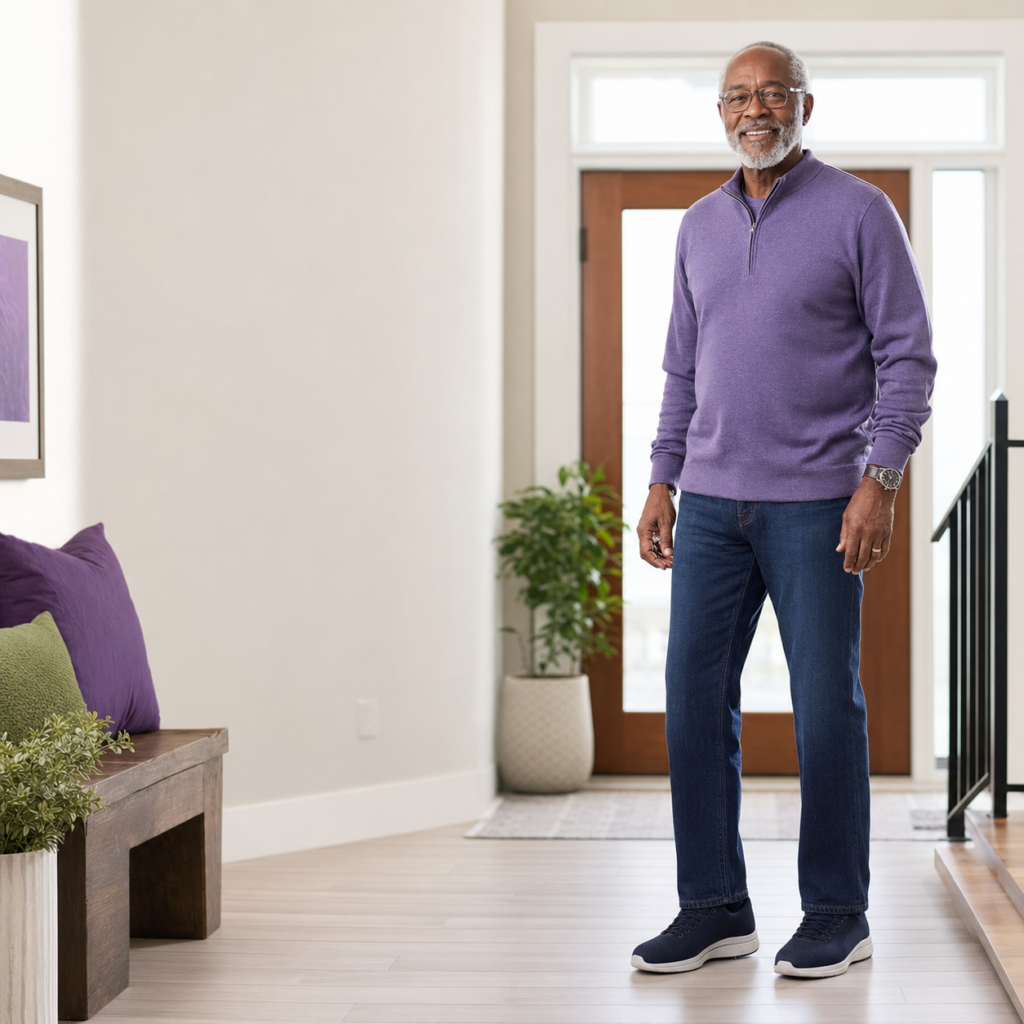
Falls are the leading cause of injury among older adults in the United States — and the majority of them happen at home. For families in Cary, Raleigh, and the surrounding Triangle area, understanding the risk factors and taking practical steps to reduce them can make a life-changing difference for an aging loved one.
This guide covers the most common fall hazards, what you can do about them, and when it makes sense to bring in professional support.
Why Falls Are So Dangerous for Older Adults
A fall that might cause a bruise in a younger person can result in a serious injury — a broken hip, a head injury, or a fracture — in an older adult. Beyond the physical damage, falls often trigger a cycle of fear and reduced activity that accelerates physical decline.
Many older adults who fall once become afraid of falling again, which leads them to move less, which weakens their muscles and balance, which increases their risk of falling again. Breaking that cycle early is critical.
The Most Common Fall Hazards at Home
Flooring and Rugs Loose area rugs, slippery hardwood floors, and uneven thresholds are among the most common tripping hazards. Secure rugs with non-slip backing or remove them entirely in high-traffic areas.
Lighting Poor lighting — especially at night — makes it difficult to see obstacles clearly. Make sure hallways, staircases, and bathrooms are well lit. Nightlights between the bedroom and bathroom are a simple, effective solution.
Bathroom The bathroom is one of the highest-risk areas in any home. Wet floors, low toilet seats, and the absence of grab bars create serious hazards. Installing grab bars in the shower and near the toilet is one of the most impactful changes a family can make.
Stairs Stairs without sturdy handrails on both sides, or with worn or uneven steps, present a significant risk. Make sure handrails are secure and extend the full length of the staircase.
Clutter Items left on floors — shoes, bags, cords, pet toys — are easy to overlook and easy to trip over. Keeping pathways clear, especially between the bedroom, bathroom, and kitchen, reduces risk significantly.
Medications Some medications affect balance, coordination, and alertness. If your loved one has recently started a new medication and seems unsteady, talk to their doctor about potential side effects.
Exercises That Reduce Fall Risk
Physical activity — particularly exercises that build leg strength and improve balance — is one of the most effective fall prevention tools available. Simple activities like walking, chair yoga, and balance exercises can make a meaningful difference over time.
Encourage your loved one to talk to their doctor or a physical therapist about a fall prevention exercise program appropriate for their current fitness level.
When To Bring In Professional Support
Sometimes fall prevention goes beyond removing a rug or adding a nightlight. If your loved one is unsteady on their feet, recovering from an injury, or living alone in a home with multiple hazards, professional in-home support can help.
A companion caregiver can provide fall prevention-focused support by staying with your loved one during higher-risk activities, helping maintain a safer home environment, and being present to respond quickly if something goes wrong.
PR Home Care provides fall prevention-focused companion care services for families across Cary, Raleigh, Apex, Wake Forest, Garner, and the surrounding Triangle. Our caregivers are trained to identify hazards, support safe movement through the home, and give families greater peace of mind.
If you’re concerned about your loved one’s fall risk, a free consultation is the best first step.
Call us: (919) 348-9943 Email: info@prhomecare.org