
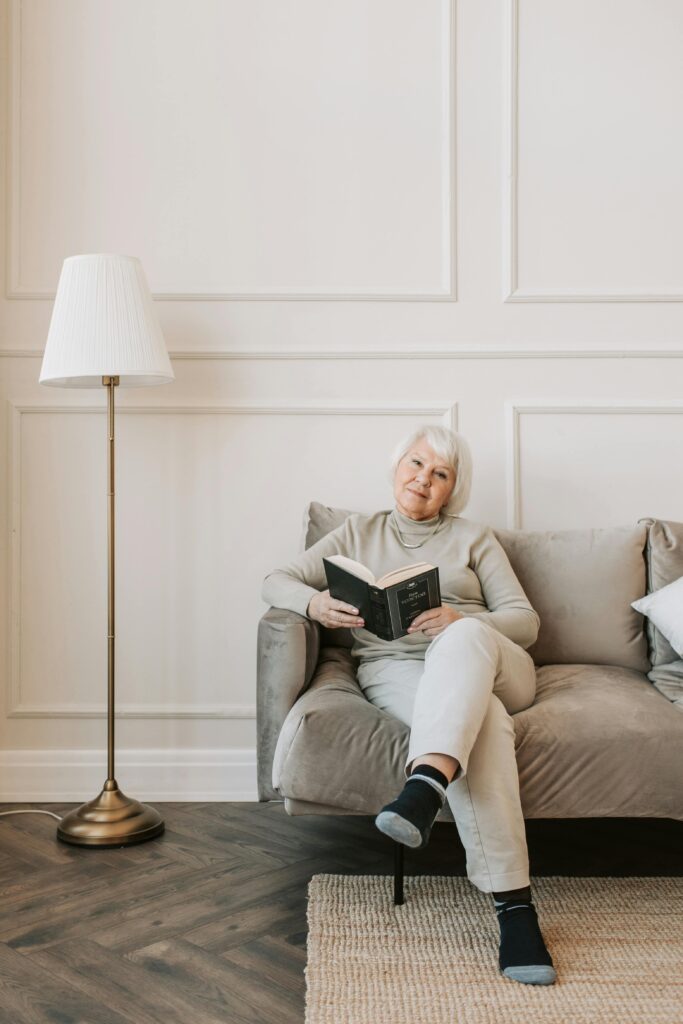
How to Create a Safe Home for an Aging Parent in the Triangle
One of the most proactive things a family can do for an aging parent is take a deliberate look at the home environment before something goes wrong.
Most falls and home safety incidents don’t happen because of one dramatic hazard. They happen because several small risks line up at the wrong moment — a loose rug, low lighting, a bathroom without grab bars, a moment of rushing. Individually manageable. Together, a real danger.
Here’s a practical room-by-room guide for Triangle families who want to get ahead of those risks.
Start With a Fresh Set of Eyes
The first challenge is that your parent’s home is familiar — to both of you. Familiarity makes hazards invisible. The rug that’s been in the hallway for fifteen years doesn’t register as a risk because it’s always been there.
Walk through the home the way a stranger would. Move slowly. Look at floor level. Notice what requires bending, reaching, or rushing. Pay attention to lighting — especially in the path between the bedroom and bathroom.
If possible, bring someone with you who doesn’t know the home well. They’ll notice things you’ve stopped seeing.
Bathroom — Highest Priority
The bathroom is statistically one of the highest-risk rooms in any home for older adults. Wet surfaces, quick movements, and frequent nighttime use create conditions where falls happen fast.
What to look for and address:
- Install grab bars inside the shower or tub and near the toilet — not towel bars, which are not weight-bearing
- Place non-slip mats inside the shower or tub and on the floor outside it
- Add a nightlight that activates automatically in low light
- Consider a shower chair or bench if standing for extended periods is difficult
- Make sure the light switch is reachable before entering a dark room
- Check that the toilet height is manageable — raised toilet seats are available if needed
Bedroom — Nighttime Safety
The path from bed to bathroom at night is one of the most common fall scenarios. Half-asleep, moving quickly, in low light — it only takes one wrong step.
What to address:
- Place a nightlight along the entire path from bed to bathroom
- Make sure the bedside lamp or light switch is reachable without getting up first
- Check the bed height — feet should touch the floor when sitting on the edge
- Clear the floor of anything between the bed and the bedroom door
- Make sure footwear is non-slip and easy to put on quickly
Living Areas — Everyday Hazards
Living rooms and common areas accumulate hazards gradually over time — rugs shift, cords get run across walkways, furniture gets rearranged. A periodic walkthrough catches what daily life misses.
What to address:
- Secure area rugs with non-slip backing or remove them from high-traffic paths
- Route lamp and TV cords along walls — never across walkways
- Arrange furniture so there is a clear, wide path through the main living area
- Make sure chairs and sofas are at a height that allows easy sitting and rising
- Keep frequently used items within easy reach — no overreaching, no step stools for daily essentials
Kitchen — Standing and Reaching Risks
The kitchen involves extended standing, reaching, and working near wet surfaces — all of which increase fall risk, especially as strength and balance change with age.
What to address:
- Store everyday items between waist and shoulder height — nothing that requires reaching above the head or bending to the floor
- Keep the floor dry — address spills immediately and remove any mats that slide
- Make sure there is stable seating available for rest during cooking or food preparation
- Keep a clear path between the sink, stove, and dining area
- Check that appliance cords are not crossing the walking path
Stairs, Hallways and Entryways
Transitions between rooms and levels are common fall points — especially when lighting is poor or handrails are missing.
What to address:
- Confirm that sturdy handrails are present on both sides of all staircases and run the full length of the stairs
- Make sure stair edges are clearly visible and not worn or slippery
- Keep hallways consistently well lit — add nightlights if overhead lighting isn’t sufficient
- Clear the entryway of shoes, bags, and clutter that create tripping hazards
- Check that the threshold between indoor and outdoor spaces is level
Beyond the Physical Environment
A safe home isn’t only about the physical setup. Two factors that often go unaddressed are equally important.
Consistent, attentive presence Physical hazards are only part of the equation. An older adult who lives alone may manage the home environment well during the day but face real risk during nighttime movement, illness, or a moment of fatigue. Consistent companion care provides attentive presence during the times when risk is highest — and someone who notices when something is off before it becomes a problem.
Medication management Many falls among older adults are related to dizziness or disorientation caused by medication side effects or missed doses. A caregiver who provides medication reminders and notices changes in energy or balance is an important part of a whole-home safety approach.
When to Consider Professional Support
A home safety walkthrough is a great first step. But for families who have noticed changes in a loved one’s mobility, balance, or daily routine — additional support is often the most meaningful next step.
PR Home Care provides companion care and lifestyle support with a fall prevention focus for families in Cary, Raleigh, Apex, Wake Forest, Garner, and the Triangle. Our caregivers are attentive, consistent, and safety-aware — providing the kind of steady daily presence that a once-a-month family visit simply can’t replicate.
We also offer a free downloadable Home Fall Prevention Checklist for families who want a structured guide to walk through the home room by room.
👉 Download the free checklist: prhomecare.org/fall-prevention-raleigh
And if your family is ready to talk through what additional support might look like — our consultations are free, no-pressure conversations. We listen first.
Call us: (919) 348-9943 Email: info@prhomecare.org