
What Does a Companion Actually Do? A Day in the Life
When families start researching home care options for an aging loved one, one of the most common questions is — what exactly does a companion do all day? It’s a fair question. The term “companion care” can sound vague, and families want to know what they’re actually getting before they commit.
Here’s an honest, practical look at what companion care looks like in real life for families in Cary, Raleigh, and the Triangle.
First — What Is a Companion?
A companion is a non-medical caregiver who provides in-home support focused on companionship, daily living assistance, and household help. They are not nurses, home health aides, or personal care workers — they don’t provide medical care or hands-on physical assistance with bathing, dressing, or toileting.
What they do provide is consistent, reliable presence — someone who shows up, pays attention, engages your loved one meaningfully, and handles the practical tasks that make daily life run smoothly.
A Typical Day With a Companion
Every client is different, so no two days look exactly the same. But here’s what a typical companion care visit might look like for an older adult living alone in Cary or Raleigh.
Morning Arrival The caregiver arrives at the agreed time — consistency matters, and a good companion shows up when expected. They check in with the client, assess how they’re feeling, and get a sense of what the day needs.
Breakfast and Morning Routine The caregiver helps prepare a light breakfast if needed, makes sure medications are taken on time, and assists with any morning tasks the client needs support with — not hands-on physical care, but reminders, encouragement, and practical help like tidying up after the meal.
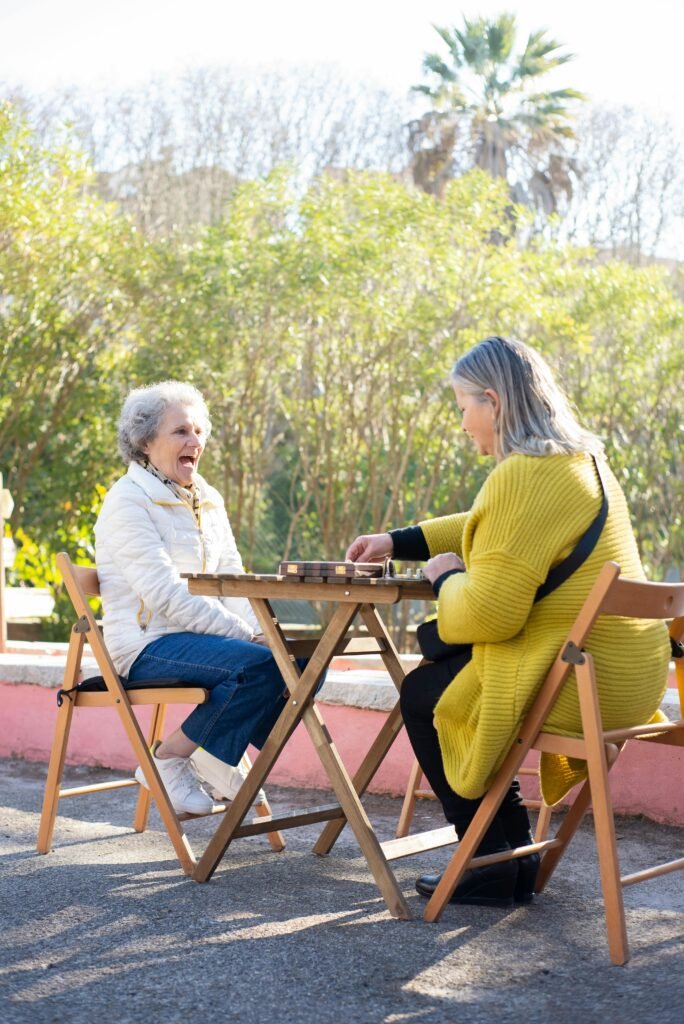
Engagement and Companionship This is the heart of companion care. The caregiver spends time with the client — conversation, a favorite TV show, a card game, a short walk outside if the client is mobile and willing. For older adults who live alone, this interaction is often the most meaningful part of their day. Isolation is a serious health risk for seniors, and consistent social engagement makes a measurable difference in mood, cognition, and overall wellbeing.
Light Housekeeping While the client rests or engages in an activity, the caregiver handles light household tasks — laundry, dishes, vacuuming, tidying common areas. The goal is to keep the home safe, clean, and manageable without disrupting the client’s routines or preferences.
Meal Preparation For midday or evening visits, the caregiver prepares a simple, nutritious meal based on the client’s preferences and any dietary considerations. This isn’t gourmet cooking — it’s practical, thoughtful meal support that ensures the client is eating well.
Errands and Appointments Depending on the care plan, the companion may accompany the client to a medical appointment, run a grocery errand, pick up a prescription, or handle other tasks the client can no longer manage independently.
Fall Prevention Awareness Throughout the visit, a good companion sitter stays attuned to the client’s physical environment — noticing hazards, making sure pathways are clear, and supporting safe movement through the home. This isn’t formal assessment, it’s attentive, practical care.
End of Visit Before leaving, the caregiver makes sure the client is comfortable, the home is in order, and any concerns are noted to share with the family. Consistent communication with family members is an important part of what a professional companion provides.
What Companion Care Is Not
It’s worth being clear about what companion care doesn’t include, so families have accurate expectations:
- It does not include bathing, dressing, or toileting assistance — that falls under personal care
- It does not include medical procedures or skilled nursing services
- It does not replace a doctor, therapist, or licensed health professional
If your loved one needs personal care or medical support, PR Home Care is happy to help connect your family with appropriate local resources.
Is Companion Care Right for Your Loved One?
Companion care is a strong fit for older adults who are largely independent but benefit from regular support, social engagement, and help with household tasks. It’s also ideal for family caregivers who need scheduled, reliable respite so they can work, rest, or attend to their own lives without constant worry.
If you’re not sure whether companion care is the right level of support, the best next step is a free consultation. We’ll listen to your family’s situation and give you an honest recommendation — even if that recommendation is that you need a different type of service.
PR Home Care provides companion care, lifestyle support, respite care, and fall prevention services for families across Cary, Raleigh, Apex, Wake Forest, Garner, and the surrounding Triangle.
Call us: (919) 348-9943 Email: info@prhomecare.org